Procurement and sustainable sourcing
Responsible sourcing starts with how we source materials
Using natural resources brings both responsibility and opportunity. When sourcing materials, we aim to avoid negative environmental and social impacts, while contributing to positive change across our supply chains.
This requires:
- A deep understanding of where and how materials are sourced
- Close collaboration with suppliers and partners
- Full transparency and traceability across the supply chain
By working in partnership, we support the United Nations Sustainable Development Goal 17, recognising that collaboration leads to greater impact.
Responsible procurement across the value chain
From sourcing raw materials to delivering products, we embed responsible stewardship at every stage.
We are committed to:
- Operating with honesty and integrity
- Meeting all relevant legislation and regulatory requirements
- Ensuring suppliers share our standards and values
Our approach ensures that sustainability is integrated into both procurement decisions and long-term supplier relationships.

Working with suppliers to improve performance
Effective sourcing of materials depends on strong supplier partnerships. We work proactively with suppliers to improve sustainability performance and encourage continuous progress.
We use independent assessment through EvoVadis, covering:
- Environment
- Labour and human rights
- Ethics
- Sustainable procurement
Alongside this, we look for recognised third-party certifications to validate sustainability credentials, including:
- ISCC (International Sustainability and Carbon Certification)
- RSPO (Roundtable on Sustainable Palm Oil)
- UEBT (Union for Ethical BioTrade)
- SuCCESS (Sustainable Castor Oil Association)
- USDA BioPreferred®*
*USDA BioPreferred is a registered trademark of the US department of Agriculture
Setting clear expectations for suppliers
Our Supplier Code of Conduct defines the minimum standards required for doing business with Croda.
It covers:
- Human rights and labour standards
- Health, safety and environmental management
- Ethical business conduct, including bribery and corruption
- Animal welfare and conflict minerals
- Quality and compliance
This ensures that sourcing materials is consistently aligned with our sustainability commitments.
Supplier Code of Conduct

Our approach

Sustainable palm derivatives
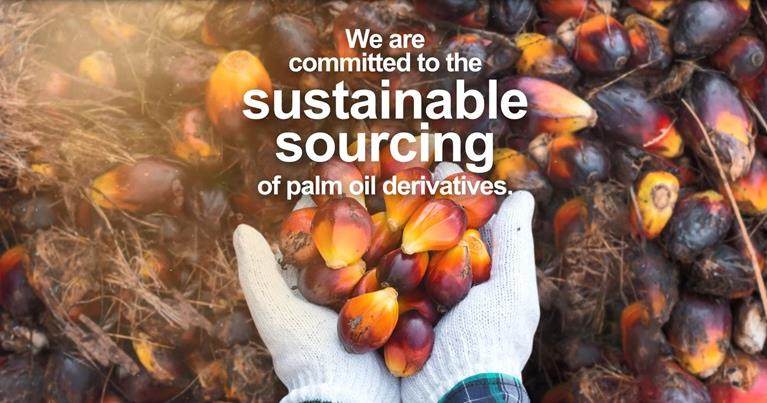
Our approach to sourcing materials, including palm-derived raw materials, focuses on certification, transparency and traceability across the supply chain.
We support responsible sourcing through RSPO supply chain mapping and certification. In 2022, 89.3% of our global palm derivatives consumption was RSPO physically certified (Mass Balance), rising to 99% in Europe and the Americas. Completion of full certification remains challenging, largely due to slower market progress in Asia.
Through our partnership with Action for Sustainable Derivatives (ASD), 99.4% of our palm-based raw material volumes were covered by supply chain mapping in 2022.
Driving greater transparency
We continue to strengthen visibility across key stages of the value chain:
- 97.7% traceability at refinery level
- 95.4% at mill level
- 33.5% at plantation level
Of the volumes that are traceable, 99% originate from Indonesia (57%), Malaysia (39.2%), Thailand (2.3%) and Colombia (0.5%), with 1,078 mills accounting for 90.0% of traceable volumes.
Statement on grievances in the Palm Sector
Palm substitution
Action for sustainable derivatives
Sustainable palm oil statement

Our Commitment

Environmental, Social and Governance (ESG)