What is plant cell culture?
Discover how Croda is using biotech to harness the benefits of plants in beauty actives in more sustainable and innovative ways

What is Plant Cell Culture?
Discover how Croda is using biotech to harness the benefits of plants in beauty actives in more sustainable and innovative ways
Plants and micro-organisms have always been known for their molecular richness; they are like small factories capable of producing a huge quantity of molecules of interest such as fragrances, medicines, neutraceuticals and cosmetics.
Today, people cultivate those plants using land and harvest them for specific molecules or active ingredients.
Plant cell culture gives our scientists the ability to produce those molecules without using any land whilst reducing environmental impact.
In a world where a growing population means the need for agricultural land to produce crops to feed people is increasing, plant cell culture removes the need for land use for other markets such as cosmetics.
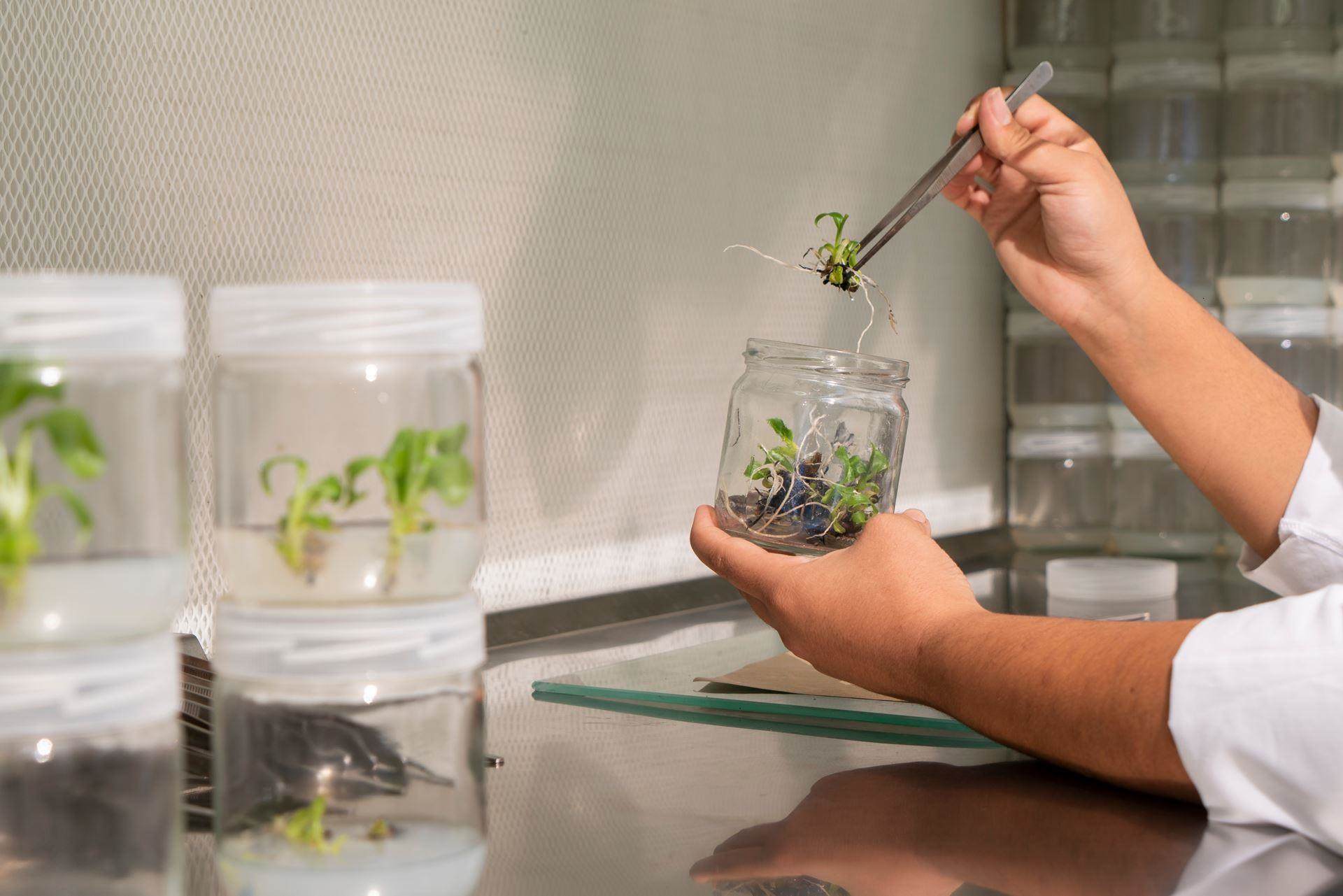
How does plant cell culture work?
Plant cell culture has evolved from a cultivation technology into a biological manufacturing platform, capable of producing bespoke speciality ingredients on demand.
Traditionally, growing a plant to harvest molecules of interest has meant that most of the plant goes to waste. You may only be growing roses to extract the rose oil, for example.
Using plant cell culture allows us to sustainably produce valuable natural molecules without cultivating the whole plant.
The protocolused to do this shares some similarities with techniques people use in their gardens. Skilled gardeners can take a cutting or a leaf and grow another plant. This technologyl is possible because a single plant cell contains the genetic blueprint required to rebuild a whole, mature plant from scratch.
Similarly, our scientists can take a leaf cutting and expose it to a precise balance of plant hormones under laboratory conditions. This returns specialised cells back into juvenile, dedifferentiated cells, which grow rapidly and can be manipulated to produce molecules of interest.
This process doesn't require genetic modification; our scientists are not playing with DNA or the plant’s genome. Instead, they use environmental impact, such as temperature or carbon dioxide levels, to influence how the cell behaves and what molecules it produces. This is called: elicitation.
Once it becomes that cell, we can grow it multiple times within a special reactor and produce as much of the molecule of interest as we want in a lab.
If we want 100 grams, we can only produce 100 grams. If we want 1000 grams, we produce 1000 grams, so there’s no waste.
You can make it as pure as you want and improve its efficacy, too.
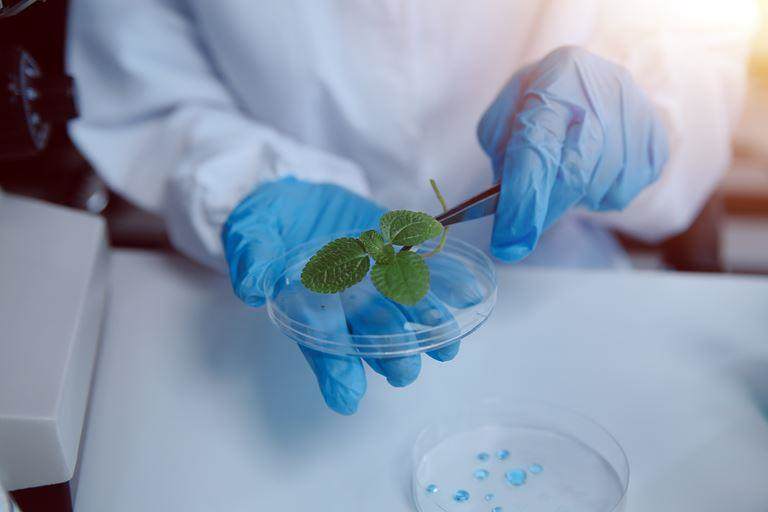
What is Majestem®?
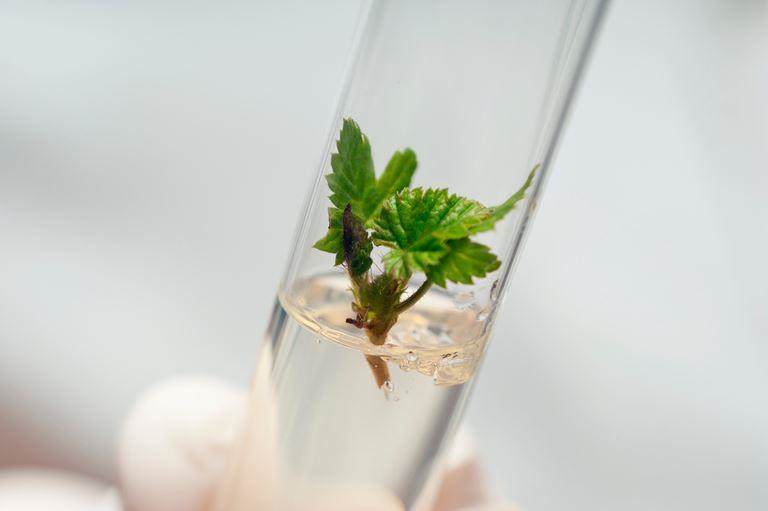
What is Mel[o]stem™?

Expert insight: Cécile Jonchier
How is plant cell culture opening new possibilities for beauty innovation?
"Plant cell culture started as a way to protect endangered plants. Today, it's opening entirely new possibilities for beauty innovation, helping us create ingredients inspired by nature in ways that were once unimaginable."
Hear from Cécile Jonchier, Research Manager at Croda, about the science behind plant cell culture and how this technology is being used to develop innovative beauty ingredients.