Biotechnology in Beauty: how biotech is transforming cosmetic ingredients
Five ways Croda Beauty is using biotechnology to transform ingredients and drive innovation

What is biotechnology in beauty, and why does it matter?
Discover how Croda’s use of cutting-edge biotechnologies is helping to create new high-performing ingredients that are sustainable and scalable in ways that some traditional sourcing methods can’t match.
At Croda, our expert R&D teams and formulators are leveraging biotech’s combination of biology and chemistry to create new products that provide our customers with opportunities for innovation and growth.
Here are five ways biotechnology is helping us deliver intelligent, sustainable, and results-driven beauty ingredients to enable our customers to keep abreast of emerging consumer needs.
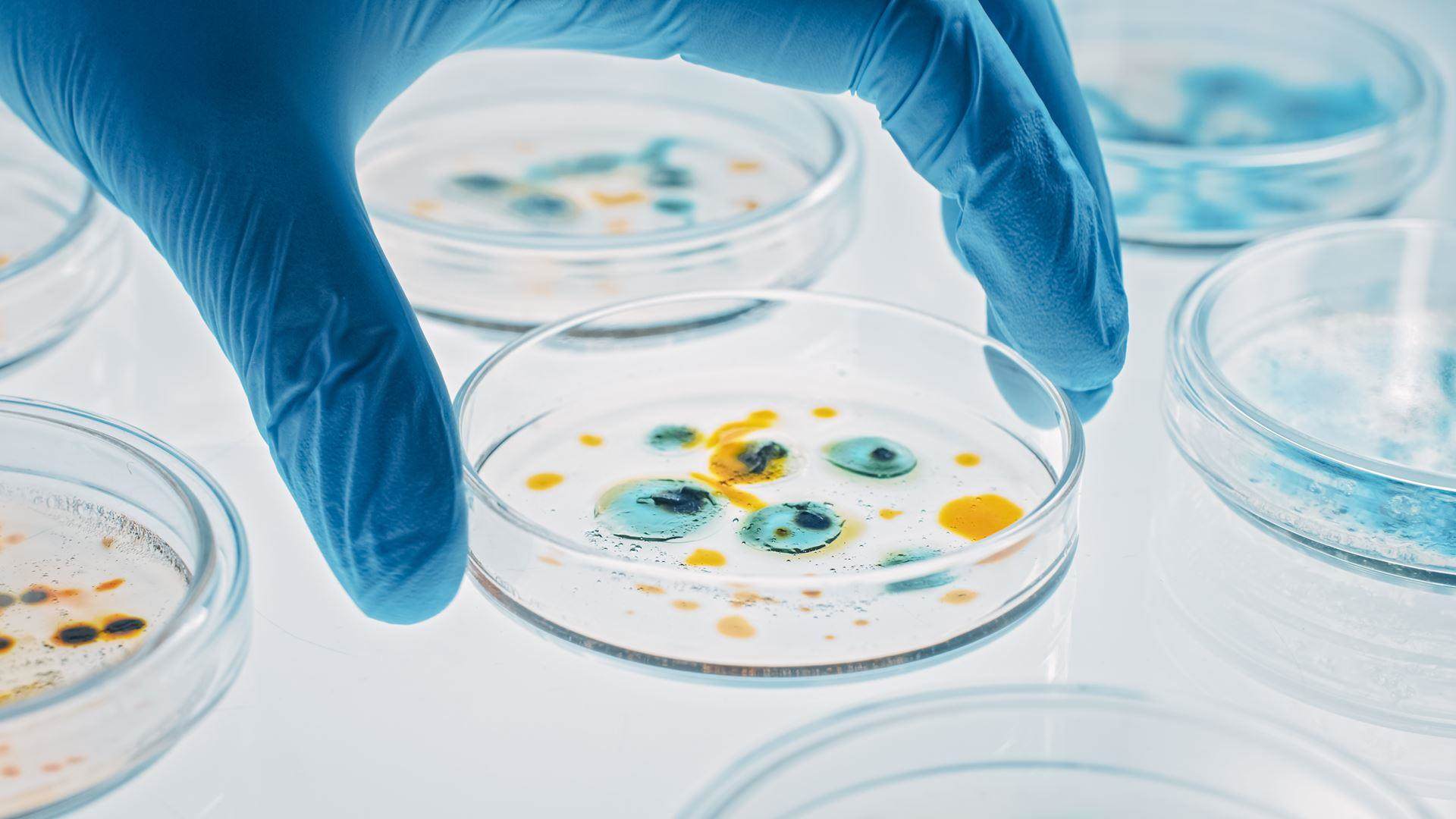

Biotechnology

Biotech’s lab-manufactured ingredients deliver sustainability benefits
Traditionally, growing a plant to produce chemical ingredients has meant most of the plant going to waste. Some ingredients, such as rare botanicals are also expensive and difficult to source.
For example, the active ingredient of Majestem® which targets skin sagging and loss of firmness in the face and neck, comes from Edelweiss which is a protected alpine flower.
Using plant cell culture, we can use biotechnology to produce the molecule we need in controlled lab conditions, cutting back on waste, land use, fertilisers and water.
Producing 1kg of these cultured cells in bioreactors replaces the need to plant, grow, and manage roughly 5,000 physical flowers, freeing up arable land for food crops or natural rewilding.
Find out more about Majestem® below.

Biotech ingredients can deliver higher efficacy and performance
Lab-manufactured biotech ingredients offer batch-to-batch consistency that can improve a formulation’s stability. Creating molecules of interest in controlled conditions reduces the impact weather, pollution or soil quality can have on the efficacy and potency of ingredients grown in nature.
For example, instead of farming fields of the scarlet beebalm plant for the active ingredient of Mel[o]stem™, a skin care active that reduces white and dark spot skin pigmentation, we produce its molecule of interest using plant cell culture.
This guarantees a standardised raw material that is 100% free from pesticides, heavy metals, or environmental contaminants with guaranteed product stability and safety profiles.
Find out more about Mel[o]stem™ below.

Biotech is providing a more sustainable supply of ingredients
Biotechnology enables our R&D teams to create ingredients in controlled lab environments that offer customers access to a more consistent and scalable supply chain.
Ceramides are just one example. These ingredients were traditionally derived from animal sources such as sheep's wool (lanolin). Now, formulators have the option to use Croda’s SphingoCare ceramides, which are biotech-derived through yeast fermentation. This reduces the ingredient’s environmental impact and aligns with the growing consumer demand for cruelty-free and vegan products. And it provides our customers with high-purity, sustainable ingredients for skin barrier repair.
Find out more about our SphingoCare range.

Biotech unlocks ingredient innovation and expands what beauty can do
Biotechnology is enabling our R&D teams to expand our innovation pipeline by designing new molecules inspired by nature, with specific functions in mind.
Using synthetic biology, a next-generation branch of biotechnology, Croda’s R&D teams can produce molecules of interest and target their activity and purity.
Our new hair care innovation, KeraBio™ K31 was created from a specific human hair keratin sequence, with Croda’s R&D scientists targeting the performance and the exact molecule they want to synthesise.
The result is a highly potent, biomimetic peptide and hair-bond builder that recharges compromised keratin, strengthening and replenishing the hair fibre at a molecular level.
It outperforms the current market leader in bond building and provides a technology platform to deliver more KeraBio™ ingredients to meet emerging consumer needs.
Find out more about KeraBio™ K31 here.
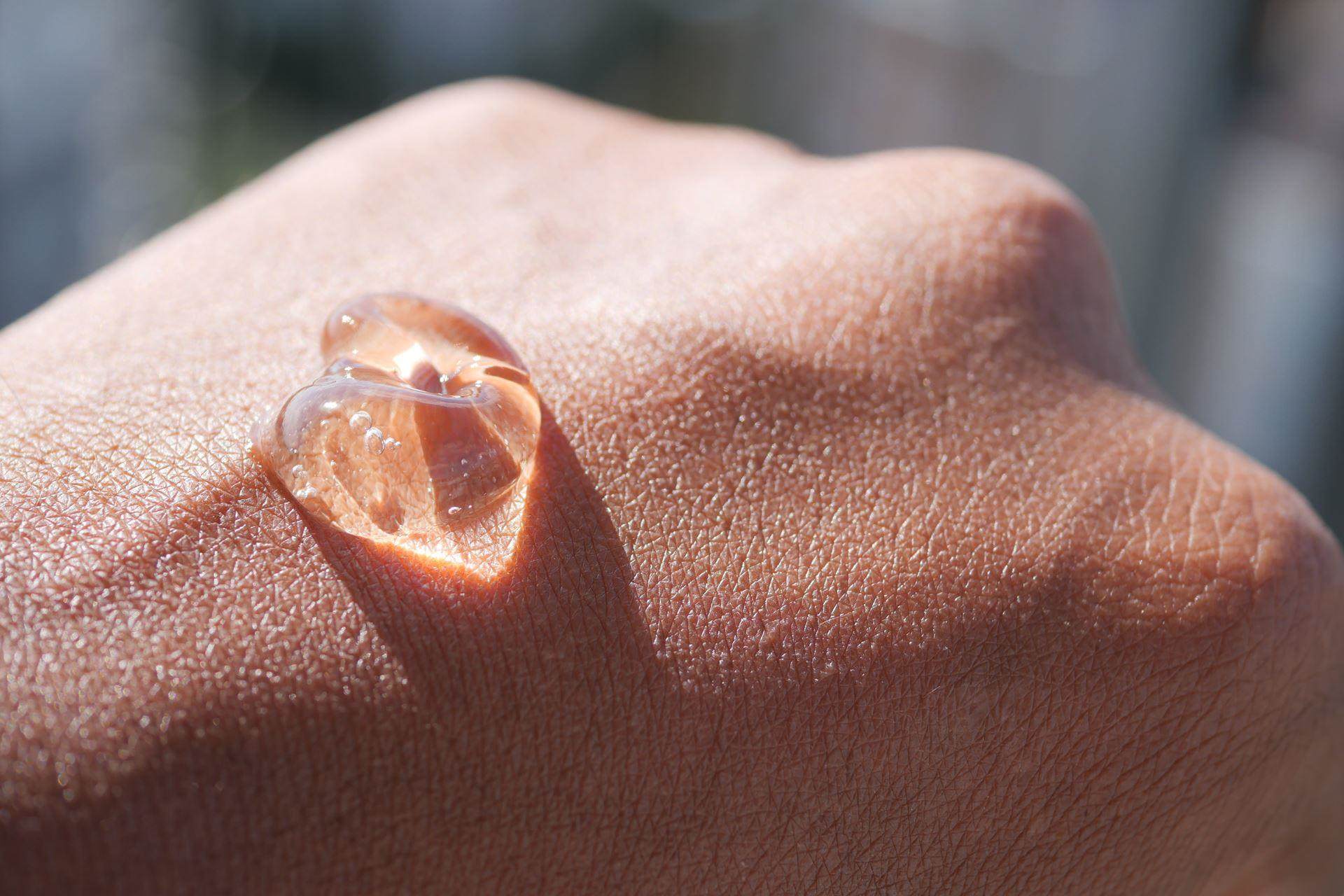
Biotech can bridge the gap between beauty and science-led wellness solutions
Consumers are more science-literate and health-orientated than ever before, seeking out solutions that go beyond the functional to enhance beauty and wellbeing. Our R&D teams are using biotech to deliver solutions that bridge this gap.
Using tools and technologies spanning microbiome science, genomics, and bioinformatics, they’re developing ingredients that go beyond surface-level benefits to deliver skin-body-mind benefits through ingredients like Zenakine™
This neuroactive ingredient is designed to counteract the effects of stress on the skin and enhance wellbeing. It achieves this by working in sync with the skin’s natural biological rhythms, boosting melatonin production to help improve sleep quality and stimulate skin regeneration.
Find out more about Zenakine™ here
The future of biotechnology in Beauty:
- Biotech has the potential to fundamentally reshape the beauty landscape
- Supplying a consistent and affordable flow of ingredients inspired by nature without pressuring natural resources
- Providing targeted potency and performance
- Delivering personalised solutions that are scalable and not bespoke
- Enabling our customers to access cutting-edge ingredients that meet emerging consumer needs to leverage opportunity and growth
Find out more about Croda’s biotech ingredient portfolio at crodabeauty.com

The future of biotechnology in beauty: Frederic de-Baene on engineering biology
